
2026 Invited SpeakersAnnual Meeting | Education Workshop | Register | Hotel Our invited speakers for the IGES Annual Meeting 2026 represent leading voices in genetic epidemiology, statistical genetics, and systems genomics from around the world. Their presentations will explore cutting-edge approaches to understanding complex disease risk, from genome-wide association studies and rare variant analysis to multi-omic integration, polygenic prediction, and biobank-scale data analysis. Speakers include renowned researchers from McGill University, the University of Cambridge, UCLA, and Harvard Medical School, whose work continues to shape the future of precision medicine and population health. Attendees will gain valuable insights into innovative methodologies, emerging discoveries, and the evolving role of genetic epidemiology in advancing human health.
Topic: Unravelling the genetic architecture of type-2 diabetes using novel statistical approaches Bio: Josée Dupuis is Professor and Chair of the Department of Epidemiology, Biostatistics and Occupational Health at McGill University. Prior to joining McGill in 2022, she was Chair of the Department of Biostatistics at Boston University. Professor Dupuis’s research focuses on the development of statistical methods for genome-wide association, rare variant analysis, gene-environment interaction, fine-mapping and colocalization, multi-omics integration, and their applications to diabetes and lung diseases. She served as IGES president and was honoured with the Society’s Leadership Award for her substantial contributions to the field. She also received the 2020 American Society of Human Genetics Mentorship Award.
Topic: Multi-omic approaches for elucidating aetiology and enhancing risk prediction Bio: Mike Inouye is currently Professor of Systems Genomics and Population Health at the University of Cambridge, Theme Lead for Data Science and Population Health at the NIHR Cambridge Biomedical Research Centre, Director of Data Sciences at the Baker Heart and Diabetes Institute, and Director of the Cambridge Baker Systems Genomics Initiative. His lab has four main research programmes: (i) improving the prediction, prevention and management of common diseases with polygenic scores, (ii) Uncovering insights into disease aetiology through integrative analysis of high-dimensional multi-omics data, (iii) Developing open computational methods, tools and resources for translational research, and (iv) Developing green computing through the Green Algorithms Initiative.
Topic: Understanding the genetic architecture of complex traits from Biobank-scale data: Statistical and Computational challenges Bio: Sriram Sankararaman is a Professor in the Departments of Computer Science, Human Genetics, and Computational Medicine at UCLA. His research interests lie at the interface of computer science, statistics, and biology. His lab develops machine learning algorithms to analyze genomic and biomedical data with the broad goal of understanding the interplay between evolution, genomes, and traits. He is a recipient of a NSF Career Award, a NIH Outstanding Investigator Award, a NIH Pathway to Independence Award, and fellowships from Microsoft Research, the Sloan Foundation, the Okawa Foundation and the Simons Institute as well as multiple teaching awards at UCLA.
Topic: Leveraging large-scale data to identify novel context-specific disease mechanisms Bio: Sasha Gusev is a statistical geneticist and an Associate Professor of Medicine at the Dana Farber Cancer Institute in the Population Sciences Division. He received his PhD training in Computer Science from Columbia University, followed by a postdoctoral fellowship focused on developing computational methods to understand disease heritability at the Harvard School of Public Health. His lab has led the development of methods for deciphering biological mechanisms from genome-wide association studies, identifying germline-somatic interactions, and characterizing the germline influences on response to treatment. This work includes the development of the Transcriptome-Wide Association Study and related methods for integrating molecular and GWAS data. |
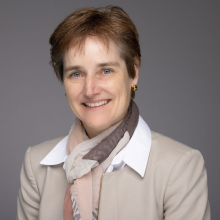 Josée Dupuis, PhD
 Mike Inouye, PhD
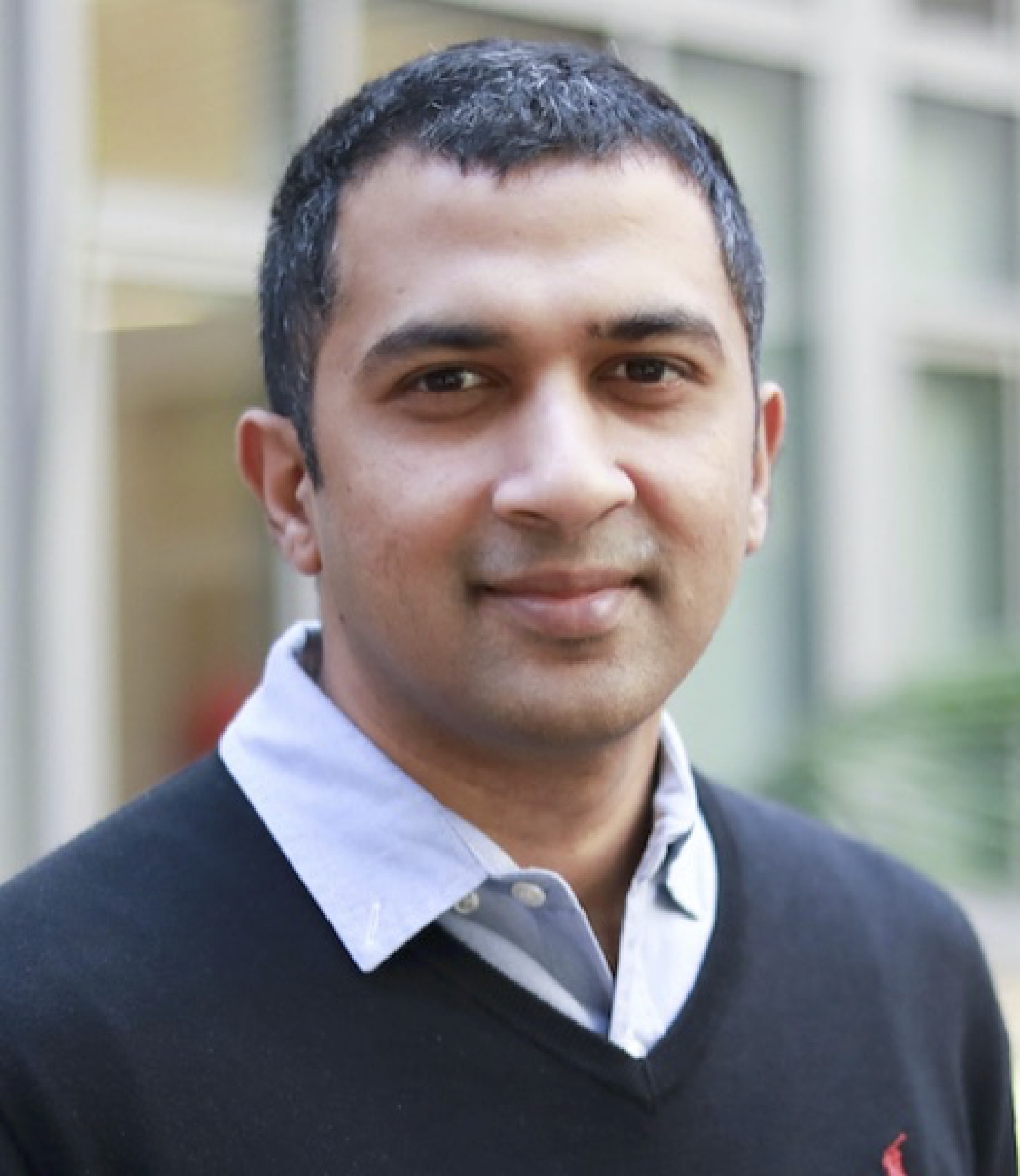 Sriram Sankararaman, PhD
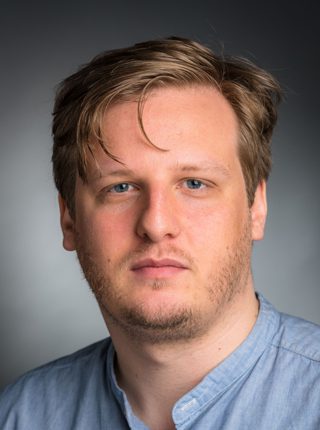 Alexander (Sasha) Gusev, PhD